
In 2025, the Ohio Technology Consortium (OH-TECH) deepened its influence across Ohio and the country—supporting research, education, and workforce development through strategic collaboration and technical leadership. As a division of the Ohio Department of Higher Education (ODHE), OH-TECH and its member organizations OARnet, OhioLINK, and the Ohio Supercomputer Center (OSC) delivered new programming, built stronger partnerships, and broadened their reach through community-focused initiatives. Together, they connected people, ideas, and infrastructure in ways that move the state forward.
Joint Initiatives
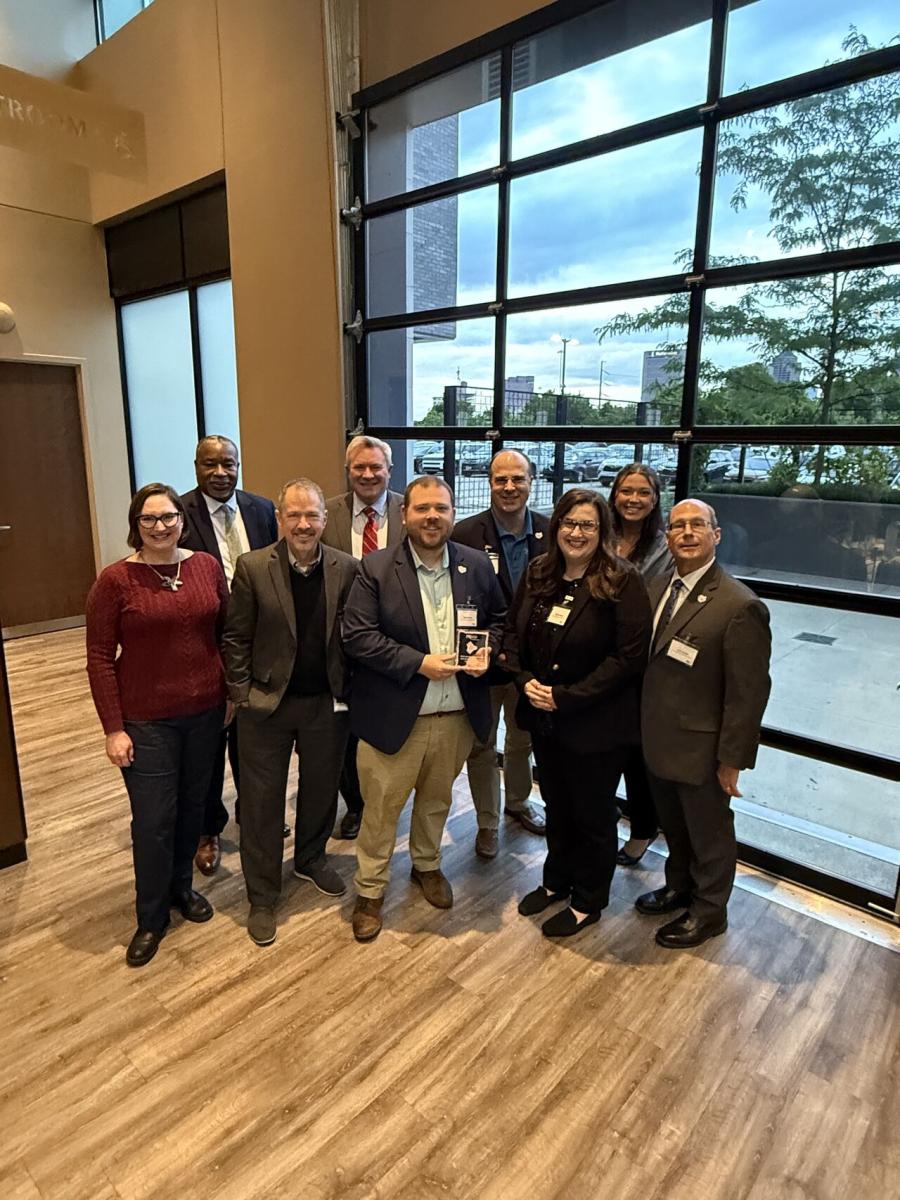
OH-TECH’s collaborative outreach continued to shine at COSI’s Big Science Celebration, where staff from OARnet, OhioLINK, OSC, and Shared Infrastructure joined ODHE to deliver interactive, family-friendly STEM activities. That momentum carried into the Ohio State Fair, where thousands of visitors explored hands-on demonstrations and stepped into the upgraded Universe of Opportunity virtual reality experience. With refined controls and an enhanced environment, the updated version offered a noticeably more immersive way to discover Ohio’s higher education and workforce development institutions. That work was recognized regionally, as OH-TECH received the Award of Excellence for Digital or Virtual Activation at the 2025 PRSA Central Ohio PRism Awards for the Universe of Opportunity.
OARnet: Strengthening connections across Ohio and beyond
OARnet played a significant role in advancing Ohio’s technology landscape in 2025, supporting statewide connectivity with affordable network services, tailored solutions, and active engagement across education, government, and industry. Through extensive partnerships and a strong presence at key events, OARnet helped drive conversations shaping Ohio’s digital future.
Throughout the year, OARnet collaborated with state partners to support broadband expansion, cybersecurity initiatives, and long-term infrastructure planning. The organization participated in BroadbandOhio working group meetings and CyberOhio’s Ohio Comprehensive Cybersecurity Plan Committee (HSAC-Cyber) Executive Committee and Subcommittees—forums that brought together leaders focused on strengthening Ohio’s technological resilience. In addition, OARnet supported InnovateOhio through its statewide infrastructure by providing connectivity to BMV sites and the agency’s kiosk enhancement program.
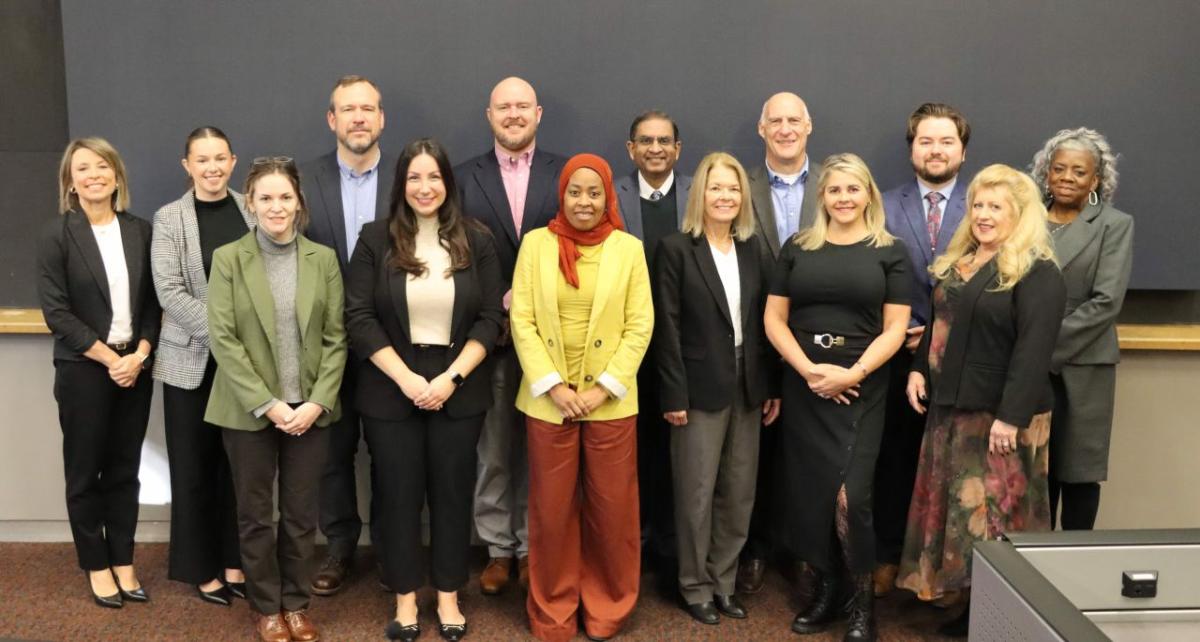
OARnet also worked closely with K–12 and higher education communities. Weekly touchpoints with ITC directors, participation in the Ohio Educational Technology Conference, and involvement in statewide academic technology initiatives kept the organization connected to student-centered and institution-focused needs.
In higher education, staff participated in the Ohio Higher Education Computing Council (OHECC) conference at the University of Cincinnati and multiple meetings of its community affiliation groups—including the Inter-University Council’s Chief Information Officers (IUC-CIO), Ohio Two-Year Colleges Technology Council (OTCTC), and the Association of Independent Colleges & Universities (AICUO) — addressing strategy, shared services, and digital transformation across Ohio campuses. Executive Director Pankaj Shah contributed his expertise during a second term on the advisory board for the Ohio Higher Education IT Leadership Summit.
OARnet’s influence reached well beyond the state. Staff represented the organization at major regional and national gatherings, including The Quilt’s Winter and Fall Member Meetings, Internet2’s Community and Technology Exchange, the Schools Health & Libraries Broadband Coalition (SHLB) AnchorNets conference, Optical Fiber Communication (OFC) conference, and the National Science Foundation Campus Cyberinfrastructure (CC*) PI Workshop. Highlights included Pankaj Shah receiving The Quilt’s Dave Reese Distinguished Service Award for his exceptional leadership and service to the research and education community and its stakeholders.
Shah also participated in a panel titled Importance of Partnerships in Advancing Connectivity in Ohio at the National Governors Association Broadband Leaders Workshop in June 2025.
Professional development and workforce growth were key priorities throughout the year. Staff participated in hands-on technical training and AI-focused briefings with vendor partners, including Cisco, Juniper, and ServiceNow. Optical Engineer Andrew Kuno led a robust in-house training program to upskill operational staff. These opportunities strengthened OARnet’s expertise while providing a real-time advanced networking training environment which helps teams stay tuned to emerging technologies.
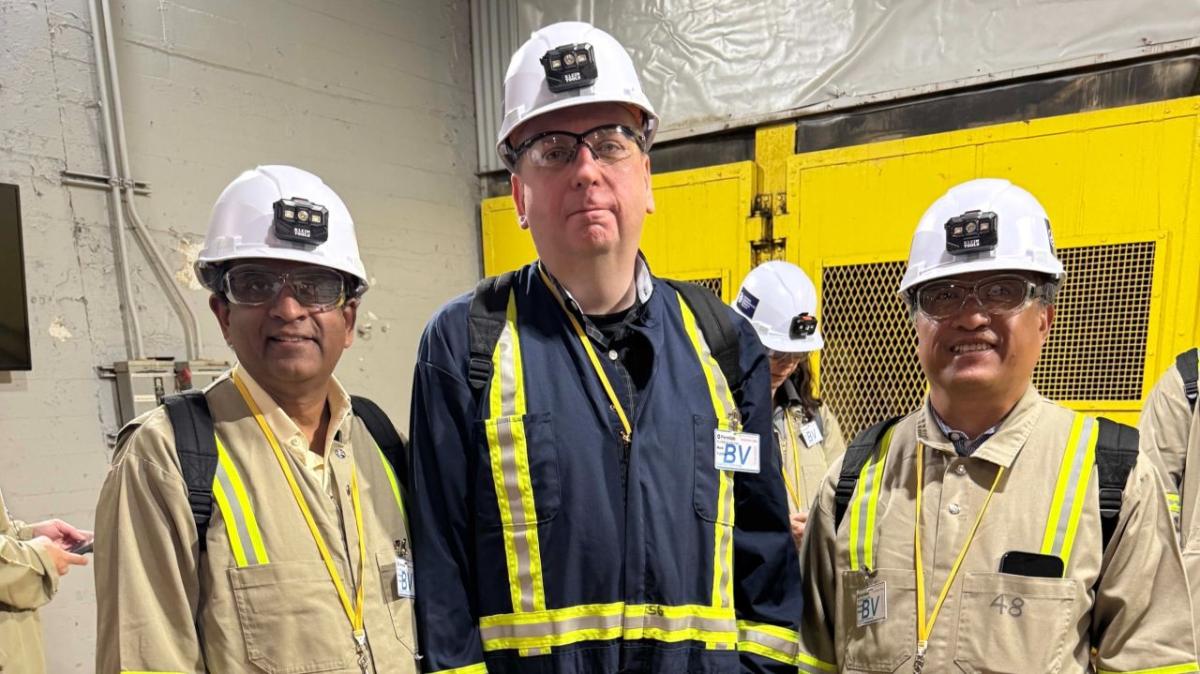
OARnet engaged with partners supporting statewide innovation and research. Staff contributed to quantum networking–focused activities, including participation in various national lab tours and workshops. Shah and OARnet Chief Technology Officer Mark Fullmer participated in the Quantum Partnership Workshop at The Institute for Underground Science at SURF (Sanford Underground Research Facility) in South Dakota in 2025. The event brings together leaders from across the Midwest and New York to explore advances in quantum networking, education, and emerging technologies.
Fullmer also visited quantum networking researchers at the State University of New York, Stony Brook University, and the Brookhaven National Laboratory to explore further partnerships and collaborative initiatives between New York and Ohio. OARnet and The Ohio State University’s team of scientists and engineers participate in regular meetings with their New York peers about quantum networking research advancements and experimental testbeds.
Together, these engagements supported OARnet’s partnership with Ohio State, culminating in the successful establishment of a quantum key distribution (QKD) link on Ohio State’s campus to OARnet facilities—the first deployment of its kind at the university and a key milestone in advancing practical quantum networking technologies in Ohio.
Engagement in advanced air mobility and uncrewed systems included a site visit to the National Advanced Air Mobility Center of Excellence in Springfield, along with support for uncrewed flight testing, advanced cybersecurity, and next-generation connectivity.
With broad partnerships, active community engagement, and a strong presence in national conversations, OARnet helped advance Ohio’s position as a national leader in education, research, and technology innovation in 2025.
OhioLINK: Advancing access and affordability
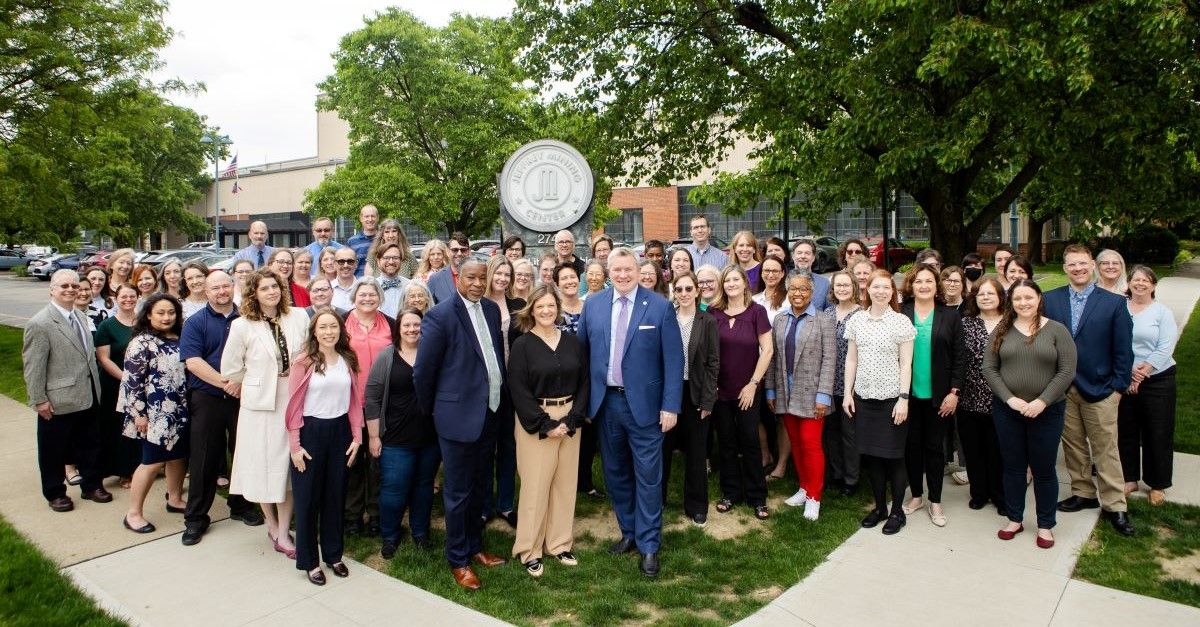
OhioLINK is a cornerstone of Ohio’s higher education community, providing critical technical infrastructure and essential scholarly resources for 87 member institutions across the state. Its initiatives play a pivotal role in fostering teaching, learning, and research while helping member institutions avoid more than $1 billion in print and electronic library resource costs every year.
OhioLINK completed a major statewide systems migration for its member libraries in June 2025—one of the largest implementations ever undertaken by global software vendor Clarivate Ex Libris. The project required coordinating the effort of hundreds of library staff through advisory groups and working teams. Because the transition also relied on campus IT support for security, authentication, and Learning Management System (LMS) integration, OhioLINK also provided quarterly briefings to member institution Council Chief Information Officers (CIOs).
OhioLINK supported the academic library community by sponsoring key events, including OpenCon Ohio—a statewide summit focused on open educational resource (OER) sharing—and the Academic Library Association of Ohio (ALAO) annual conference. Staff also represented the organization at a broad range of statewide and national gatherings, including meetings hosted by the Association of College and Research Libraries (ACRL), the National Information Standards Organization (NISO), and the Ex Libris Users of North America (ELUNA).
Executive Director Amy Pawlowski advanced conversations around library innovation and impact by engaging in national forums such as The International Coalition of Library Consortia (ICOLC) and the Charleston Conference, as well as co-presentations with industry leaders including Elsevier and Clarivate. She also strengthened relationships with OhioLINK members by speaking with Association of Independent Colleges & Universities of Ohio (AICUO) private institution presidents. In addition, Pawlowski contributed her expertise through service on the Cambridge University Press North American Library Advisory Board and the Clarivate North American Advisory Board.
OhioLINK supported faculty outreach efforts to help campus authors understand and utilize the consortium’s open access publishing agreements. Since 2022, these agreements have saved institutions and their authors more than $26 million in article publishing fees and made thousands of Ohio research articles freely available online without subscription barriers, which significantly increases Ohio’s research visibility.
OhioLINK’s Affordable Learning Open Course Redesign Grants remained a popular resource for faculty interested in teaching with OER and lowering textbook costs for students. The consortium also strengthened faculty support by sponsoring OhioLINK librarians for certification as OER specialists.
The consortium’s ability to multiply the value of every dollar spent, ensuring broad access and academic excellence, makes it an indispensable asset for Ohio higher education and a strategic driver of educational opportunity and research excellence across Ohio.
Ohio Supercomputer Center: Accelerating research and innovation
In 2025, OSC strengthened its role as a leader in research computing, driving progress in science, technology, and education. Through its expertise and partnerships, the center remained deeply engaged in national and international discussions about the next generation of computing.
Tours of the State of Ohio Computer Center drew a wide range of visitors in 2025, including representatives from Nationwide, NetJets, and the Big Ten Academic Alliance; students from colleges and high schools across the region; and attendees of the MVAPICH User Group (MUG) meeting and the Practice & Experience in Advanced Research Computing (PEARC) conference.
The PEARC conference also highlighted several OSC achievements. Alan Chalker, director of strategic programs, received the PEARC Conference Series’ first-ever Official Host City Ambassador Award. Senior Research Software Engineer Samuel Khuvis was part of the team recognized with the Best Full Paper Award in the Applications and Software Track for “ML Field Planner: Analyzing and Optimizing ML Pipelines for Field Research.” Graduate student Ronald Davies and collaborators earned the Best Student Poster Award for “A Pre-Processing Framework for Securing LLM-RAG Interfaces Against Information Leakage.”
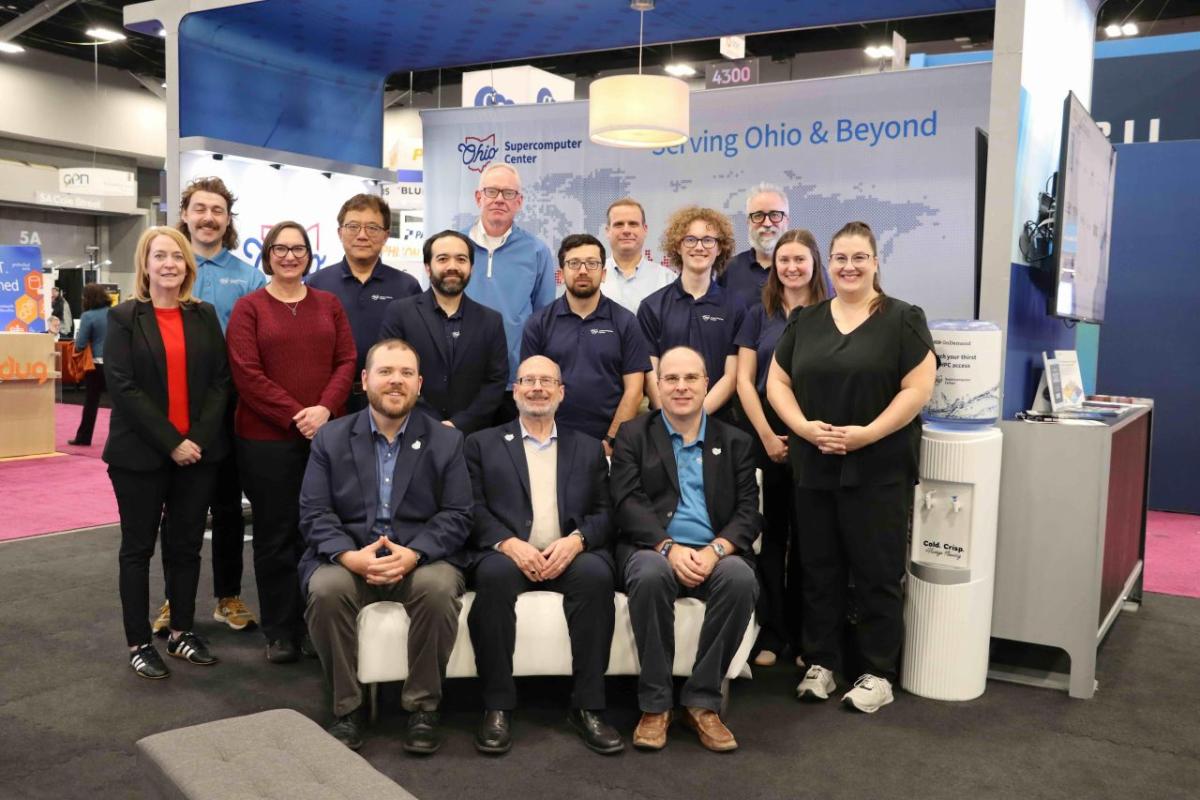
On the conference circuit, OSC participated in several major events, including the ISC High Performance Conference, the Gateways Conference, the Coalition for Academic Scientific Computation (CASC) national meetings, and the Supercomputing Conference—where staff supported Open OnDemand and ACCESS activities. Executive Director Dave Hudak also served on the SC program committee.
Across these venues, OSC staff presented papers and tutorials, took part in birds-of-a-feather sessions, chaired discussions, and served on steering, organizing, and program committees.
Upgrades to the Ascend cluster went into effect in 2025, increasing its computing power eightfold. Ascend now better supports the rising demand for artificial intelligence (AI), machine learning, and data-intensive research. Early users have reported dramatic improvements, with experiments that once took months now completing in days—or even hours—accelerating discoveries in biomedical research and beyond. OSC also launched its new Service Center, designed to streamline user access and improve overall usability.
OSC also supported the AI Research Experience (AIRE) program, a nine-week summer experience managed by the OH-SCIPE project that immerses Ohio postsecondary students in hands-on AI research alongside university teams at Case Western Reserve University, The Ohio State University, and the University of Cincinnati. Students are paired with mentors and guided by cyberinfrastructure professionals, the IT experts who enable advanced research computing. For many participants, AIRE serves as a pathway into future careers in AI, high performance computing, and research support.
OSC also convened a Secure Enclave Workshop, gathering researchers, IT professionals, and institutional leaders to discuss requirements and strategies for a proposed statewide Secure Enclave for research computing. The workshop focused on building secure, high-performance infrastructure capable of supporting sensitive and federally funded research across Ohio.
In addition, OSC hosted its annual Research Symposium, where students and researchers from across the state showcased how they are using OSC’s computing power—ranging from detecting credit card fraud to modeling NBA fantasy teams to using HPC to analyze different species’ evolution patterns.
Youth education remained a priority for OSC in 2025. The center hosted its STEM Institute and Youth STEM Institute for high school and middle school students, giving participants hands-on experience in computer science, mathematics, engineering, and programming.
OSC HPC Storage Engineer Joseph Tang also presented a poster developed from a STEM Institute summer project at the Gateways Conference, titled “From Sequence to Structure: A Web-Based Gateway to AlphaFold Through Ohio Supercomputer Center Resources.” Created in collaboration with students Pranav Das, Williams Duan, Shaurya Mishra, and Robin Wang, the project introduces SigmaFold—a web-based application that streamlines access to AlphaFold2 using OSC’s high performance computing resources.
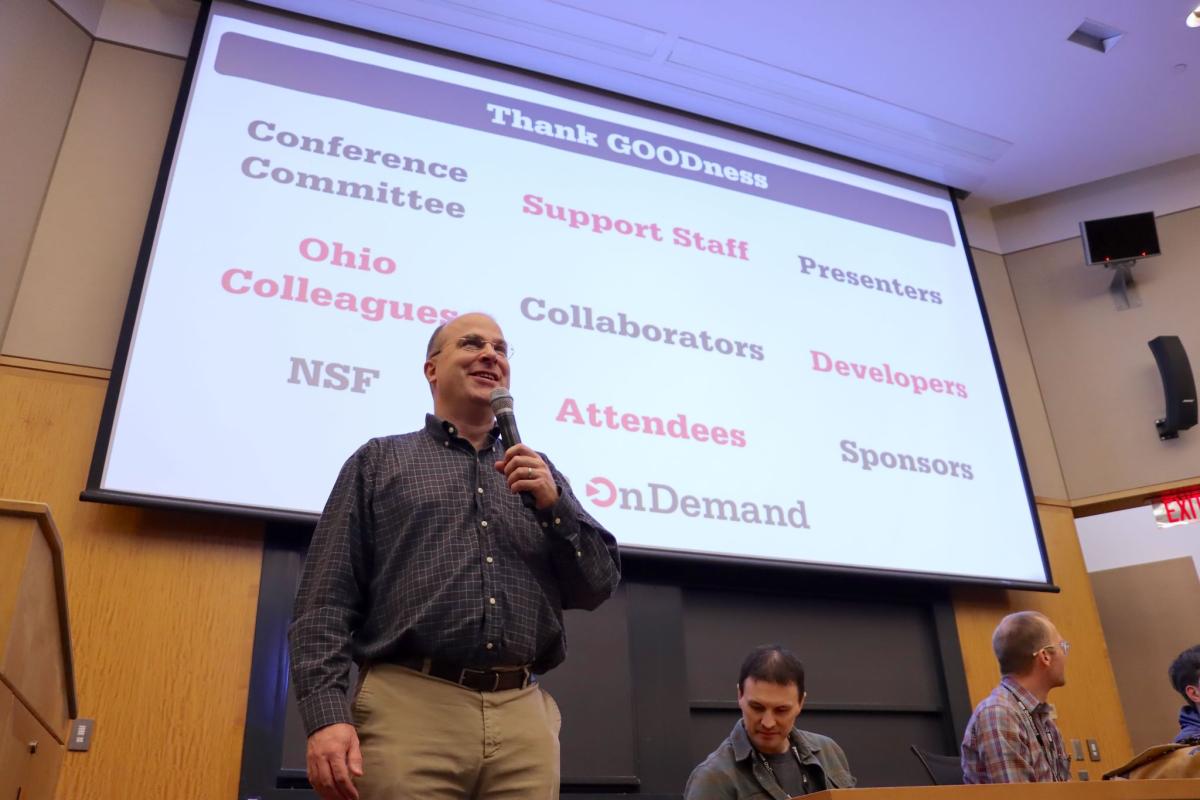
The inaugural Global Open OnDemand (GOOD) Conference in 2025 sold out with more than 170 attendees from 10 countries, underscoring the platform’s global reach. In 2026, internationally hosted versions of the conference will help further expand and connect the Open OnDemand community.
Looking ahead, the second GOOD Conference will take place March 9–12, 2026, at The University of Utah, giving the community that relies on OSC’s Open OnDemand web portal an opportunity to share expertise and explore new technological advancements.
OSC’s commitment to advancing science and technology keeps the center at the forefront of research computing. Through education, research support, and active engagement with national and international communities, OSC helps shape the direction of scientific innovation and high performance computing.
Written by Lexi Biasi
 (September 16)
 (September 14)
